

Sourcing the Best Cashew Nuts Supplier in Tanzania
Tanzania stands out as one of Africa’s top origins for cashew nuts. Its favorable climate and fertile soils produce high-quality nuts that attract buyers worldwide. For importers, processors, distributors, and wholesale buyers in Asia, the Middle East, Europe, and North America, understanding the nuances of sourcing cashew nuts from Tanzania is essential for successful trade.
Why Tanzania is a Leading Cashew Origin and What the Harvest Season Means for Buyers
Tanzania ranks among Africa’s largest producers of cashew nuts. The country’s main cashew-growing regions include the southern and central zones, with Dar es Salaam and Arusha serving as key export hubs. The climate in these areas supports healthy cashew trees, resulting in nuts with excellent size and quality.
The harvest season typically runs from February to May. This period is critical for buyers because the freshest raw cashew nuts (RCN) become available in bulk. Placing orders during or just before the harvest season ensures access to the best quality nuts and competitive prices. Delays in ordering can lead to limited availability or higher costs as stocks dwindle.
Buyers should plan their procurement schedules around this season to secure timely shipments. Early engagement with suppliers in Tanzania helps guarantee supply and allows for better negotiation on terms.

Understanding Raw Cashew Nuts and Processed Kernels
Cashew nuts are traded in two main forms: raw cashew nuts (RCN) and processed kernels. Each form suits different buyer needs.
Raw Cashew Nuts (RCN) are the whole nuts with shells intact. They require further processing to extract edible kernels. RCN buyers are often processors or manufacturers who have the facilities to shell, peel, and grade the nuts. Tanzania exports large volumes of RCN, making it a preferred source for buyers who want to control processing quality or customize kernel grades.
Processed Cashew Kernels are the edible nuts after shelling and peeling. These are ready for consumption or further use in food products. Buyers such as distributors, wholesalers, and retailers typically prefer kernels because they require no additional processing. Kernels come in various grades based on size, color, and quality.
Understanding the difference helps buyers choose the right product for their business. For example, a food processor in Europe might prefer RCN to manage roasting and flavoring in-house. Meanwhile, a distributor in the Middle East may order processed kernels for immediate sale.
What Buyers Should Check Before Ordering
Before placing an order, buyers must verify several quality and compliance factors to ensure they receive the best product.
Nut Count per Kilogram: This indicates the average number of nuts in one kilogram. Lower nut counts mean larger nuts, which usually command higher prices.
Outturn: The percentage of kernels obtained from raw nuts after processing. Higher outturn means better quality nuts with less waste.
Moisture Content: Ideal moisture content is below 8%. Excess moisture can lead to mold and spoilage during storage and transport.
Defective Rate: The percentage of nuts that are damaged, discolored, or otherwise unsuitable. Buyers should request low defective rates to maintain product quality.
Certificate of Analysis (CoA): This document provides detailed lab test results on the nuts’ quality, including moisture, aflatoxin levels, and other parameters.
Certificate of Origin: Confirms the nuts were grown and harvested in Tanzania, which can affect import duties and buyer confidence.
Phytosanitary Certificate: Ensures the nuts meet plant health standards and are free from pests and diseases, a requirement for many importing countries.
Requesting these documents and data before ordering helps buyers avoid surprises and ensures compliance with import regulations.
Packaging and Container Loading for Export
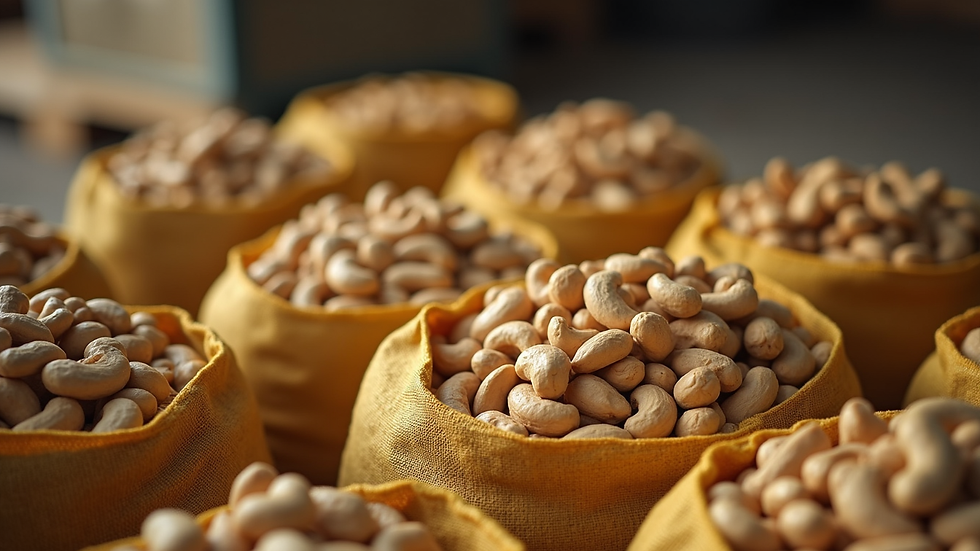
Proper packaging and container loading are vital to preserve cashew nut quality during shipment. Tanzania exporters typically use jute bags or polypropylene bags for raw cashew nuts. These bags allow air circulation, reducing moisture buildup.
For processed kernels, vacuum-sealed or foil-lined bags inside cartons are common. This packaging protects kernels from moisture, pests, and contamination.
Containers are loaded carefully to maximize space and prevent damage. Exporters follow international shipping standards to ensure the cargo arrives in good condition.
Pricing and Payment Terms
All quotations from Tanzanian suppliers, including Ozzine Group Company Limited, are usually on CIF (Cost, Insurance, and Freight) terms. This means the price includes the cost of goods, insurance, and freight to the buyer’s destination port. Buyers benefit from transparent pricing and reduced risk during transit.
Payment is typically made by TT (telegraphic transfer) advance deposit. This upfront payment secures the order and allows suppliers to prepare and ship the goods promptly.
Example Products from Ozzine Group Company Limited
Ozzine Group Company Limited, based in Dar es Salaam and Arusha, offers high-quality cashew nuts for export. Their product range includes:
Raw Cashew Nuts (RCN): Carefully sourced from Tanzanian farms, these nuts have excellent outturn and low moisture content. Buyers who want to process nuts themselves find this product ideal.
Processed Cashew Kernels: Ready-to-use kernels graded for size and quality, suitable for distributors and food manufacturers.
For more details, buyers can visit Ozzine Group’s website to explore their product offerings and certifications.
Sourcing cashew nuts from Tanzania requires attention to quality, timing, and documentation. Working with trusted suppliers like Ozzine Group ensures buyers receive authentic Tanzanian nuts with reliable service.
Buyers interested in sourcing cashew nuts from Tanzania are encouraged to send their required quantity and destination port to request a quotation. This step helps secure competitive pricing and timely delivery tailored to their needs.


Comments